




Why Design Workflows Need to Evolve
Design teams are being asked to do more than ever—move faster, collaborate across teams, and deliver higher-quality products with fewer iterations. But many workflows are still built around disconnected tools that make that harder than it needs to be.
Autodesk Fusion® offers a more connected approach. By bringing design, engineering, and manufacturing together in a single platform, teams can move from concept to production with better visibility, fewer handoffs, and less rework.
What Is Fusion for Design?
Fusion for Design is a bundled offering within Autodesk Fusion that brings together the core Fusion platform with the Fusion Design Extension and Fusion Manage Extension into a single, design-focused solution.
In practical terms, this means organizations get the full set of tools needed to move from concept through production-ready design—along with the added capabilities for advanced modeling, automation, and process management—without having to piece together multiple add-ons separately.
Fusion for Design combines:
- Core Fusion capabilities for 3D modeling, collaboration, and data management
- Fusion Design Extension for advanced modeling, generative design, and automation tools
- Fusion Manage Extension for process management, change tracking, and design data workflows
Together, these components provide a more complete design environment that supports not just geometry creation, but also the structure and control needed to manage design data as it evolves.
Rather than positioning Fusion as an all-in-one platform for every possible workflow, Fusion for Design focuses on what design and engineering teams need most—while still allowing organizations to expand into manufacturing, electronics, or broader PLM workflows over time.
For many organizations, this makes Fusion for Design a practical starting point for modernizing product development—combining powerful design tools with built-in process management from day one.
A Unified Design Environment
Fusion provides a flexible set of 3D design tools that support multiple modeling approaches in one place. Teams can move between parametric, direct, surface, and freeform modeling depending on the task at hand.
This flexibility makes it easier to explore concepts, refine designs, and adapt to changes without starting over.
Connecting Design and Engineering
Fusion integrates engineering capabilities directly into the design process. Built-in simulation tools allow teams to validate performance earlier, helping reduce physical prototyping and late-stage surprises.
Because design and analysis happen in the same environment, teams can iterate faster and make more informed decisions.
Generative Design and AI-Assisted Workflows
Fusion continues to evolve with AI-driven capabilities that help teams work more efficiently. Generative design allows engineers to define goals and constraints, then automatically explore multiple optimized solutions.
Additional tools like automated drawings and intelligent sketch constraints help reduce manual effort and improve consistency.
Built for Collaboration
Fusion’s cloud-based platform makes it easier for teams to work together. Designs are stored in a central location with built-in version control, so everyone is working from the latest information.
This helps reduce miscommunication and keeps projects moving forward.
From Design to Manufacturing
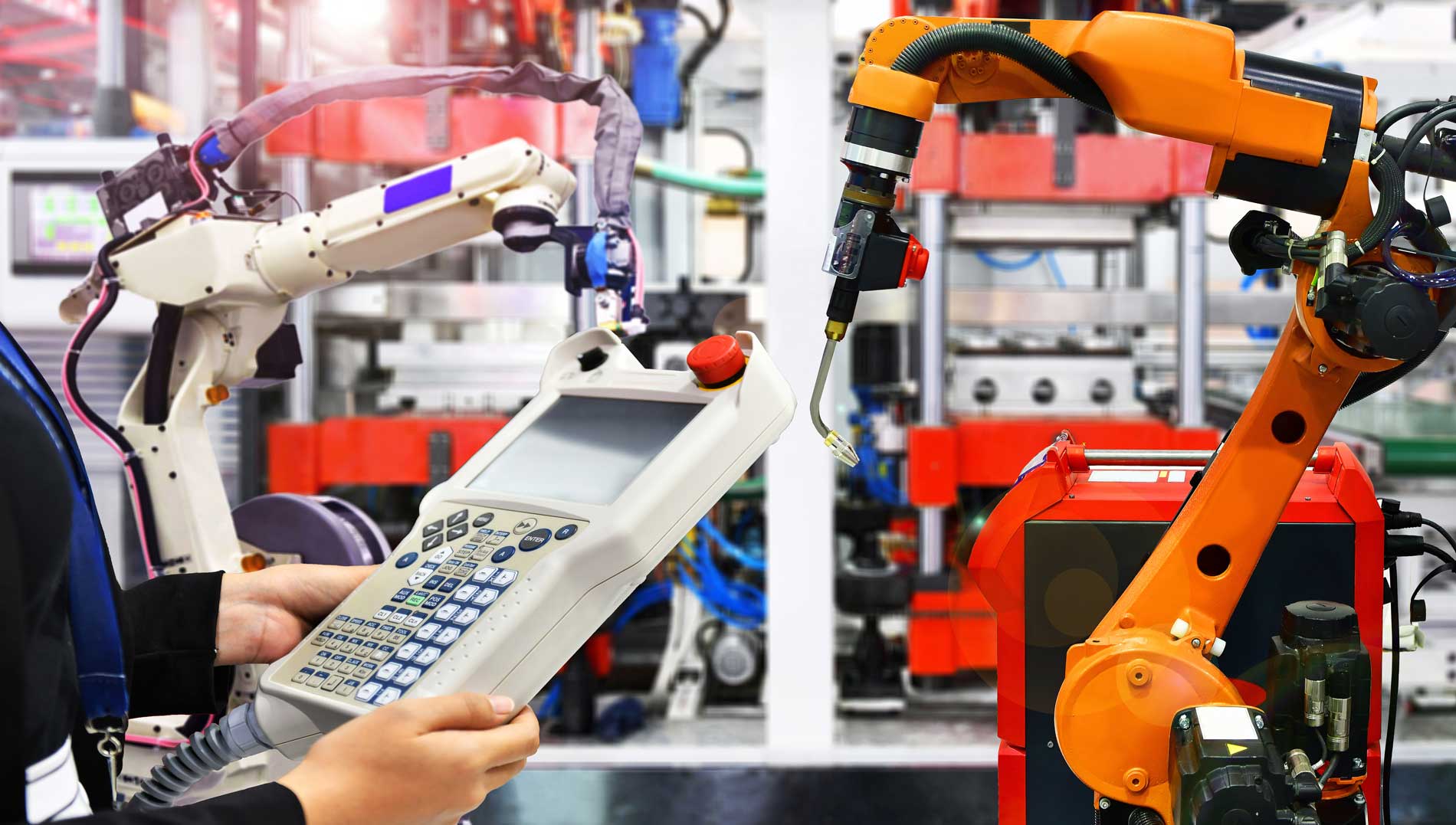
Fusion doesn’t stop at design. Integrated manufacturing tools allow teams to create toolpaths, simulate machining, and move into production without leaving the platform.
This reduces friction between engineering and manufacturing and helps bring products to market faster.
Why Fusion Matters for Design Teams
Fusion represents a more connected, efficient way to approach product development. By combining design, engineering, and collaboration in one platform, teams can accelerate timelines, improve quality, and reduce rework.
It also provides a foundation that can scale as needs evolve.
Bringing It All Together
As product development continues to evolve, having the right tools in place is critical. Fusion for Design gives teams a practical way to modernize their workflows without adding unnecessary complexity.
By connecting design, engineering, and collaboration, teams work more efficiently today while preparing for what comes next.
Next Steps
If you’re evaluating how to improve your design workflows or exploring what Fusion for Design could look like in your environment, our team can help.
Contact Hagerman & Company to start the conversation.


Comments