




Every custom project presents a new engineering challenge. While that flexibility allows manufacturers to meet unique customer requirements, it also creates additional engineering work that can slow quoting, design, documentation, and production.
Engineer-to-order (ETO) manufacturing is a production model where each product is designed from scratch or significantly modified to meet individual customer specifications, creating chronic engineering bottlenecks when design, drawing, and BOM work is done manually for every order. Because every project requires engineering involvement, organizations often struggle to scale without adding additional engineering resources.
Fortunately, design automation can reduce many of these repetitive tasks, helping engineering teams complete projects faster while maintaining the flexibility that Engineer-to-Order manufacturing requires.
What Is Engineer-to-Order Manufacturing?
Engineer-to-Order (ETO) manufacturing, sometimes referred to as engineered-to-order manufacturing, is used when standard products cannot meet a customer's requirements. Instead of selecting from predefined options, engineers develop a custom solution for each project or make substantial modifications to an existing design before production begins.
ETO is common in industries that manufacture highly specialized or configurable products, including:
- Custom industrial equipment
- Material handling systems
- Process equipment
- Heavy machinery
- Automation systems
- Large structural products
Because engineering occurs before manufacturing, project success depends on efficient collaboration between engineering, sales, manufacturing, and customers throughout the design process.
How Engineer-to-Order Differs from CTO and MTO
Engineer-to-Order is often compared with Configure-to-Order (CTO) and Make-to-Order (MTO), but each manufacturing model approaches customization differently.
- Engineer-to-Order (ETO) requires new engineering work or significant design modifications for nearly every order.
- Configure-to-Order (CTO) allows customers to choose from predefined product options and engineering rules, minimizing engineering effort once the system is established.
- Make-to-Order (MTO) manufactures products after an order is placed but typically builds from an existing design rather than creating a new one.
The more engineering required for each order, the greater the opportunity to improve efficiency through design automation.
Because custom engineering, procurement, and testing all extend timelines, customers in ETO environments may wait months for delivery. A delay window that rarely exists in CTO or MTO models.
What Does the Engineer-to-Order Process Look Like?
Every company has its own Engineer-to-Order process, but most follow a similar sequence:
- Customer requirements are gathered.
- Engineering develops or modifies the product design.
- CAD models and drawings are created.
- Bills of materials (BOMs) are generated.
- Engineering reviews and approvals are completed.
- Manufacturing documentation is released for production.
Because these activities occur for nearly every order, the Engineer-to-Order process often becomes the primary bottleneck for organizations managing a high volume of custom projects. Design automation helps streamline many of these repetitive steps without limiting engineering flexibility.
Common Engineering Challenges in ETO Manufacturing
Because engineering teams are involved in every project, many Engineer-to-Order manufacturers experience similar operational challenges.
Common bottlenecks include:
- Recreating similar designs for new customer projects
- Updating drawings after design revisions
- Manually generating bills of materials (BOMs)
- Producing repetitive engineering documentation
- Applying company standards across custom projects
- Managing engineering revisions and approvals
- Meeting aggressive quoting and delivery schedules
Research from Amrita School of Engineering found that systematically addressing manufacturing bottlenecks improved productivity by as much as 15.8–18.8% while reducing total manufacturing costs by nearly 20% — underscoring how much is at stake when engineering delays go unaddressed.
While every project is unique, many of these supporting tasks follow repeatable processes that can be automated.
What Does an Engineer-to-Order Implementation Typically Include?
Improving an Engineer-to-Order process is rarely about replacing engineering expertise. Instead, it focuses on removing repetitive work so engineers can spend more time designing and less time performing manual tasks.
Depending on the organization, an ETO implementation may include:
- Standardizing engineering workflows
- CAD automation for repetitive modeling and drawing tasks
- Automated drawing generation
- Automated bill of materials (BOM) creation
- Rules-based design for reusable product components
- Integration between CAD, PDM, ERP, and other business systems
- Engineering document automation
- Workflow improvements for engineering reviews and approvals
The result is an engineering process that maintains the flexibility of custom design while reducing the manual effort required to complete each project.
How Design Automation Supports Engineer-to-Order Manufacturing
Although every Engineer-to-Order project is unique, many engineering activities are surprisingly repetitive.
For example, engineers may repeatedly:
- Insert standard components
- Create similar drawing packages
- Generate nearly identical bills of materials
- Update title blocks and revision information
- Apply company design standards
- Produce customer documentation
Design automation helps eliminate these repetitive activities through custom programming, rules-based engineering, and workflow automation. Rather than replacing engineering decisions, automation supports engineers by accelerating the work that doesn't require custom problem-solving.
This allows engineering teams to complete projects more efficiently while maintaining the customization customers expect.
Autodesk's 2025 State of Design & Make report — based on interviews with more than 5,500 industry leaders across engineering, construction, and manufacturing — found that digital transformation and automation adoption are directly linked to improved operational confidence amid rising cost and talent pressures.
Engineer-to-Order Examples
Engineer-to-Order manufacturing is commonly used when products must be tailored to unique operating conditions, customer specifications, or project requirements.
Examples include:
- A custom conveyor system designed around a customer's facility layout
- A specialized piece of manufacturing equipment built for a unique production process
- A material handling system engineered for specific throughput requirements
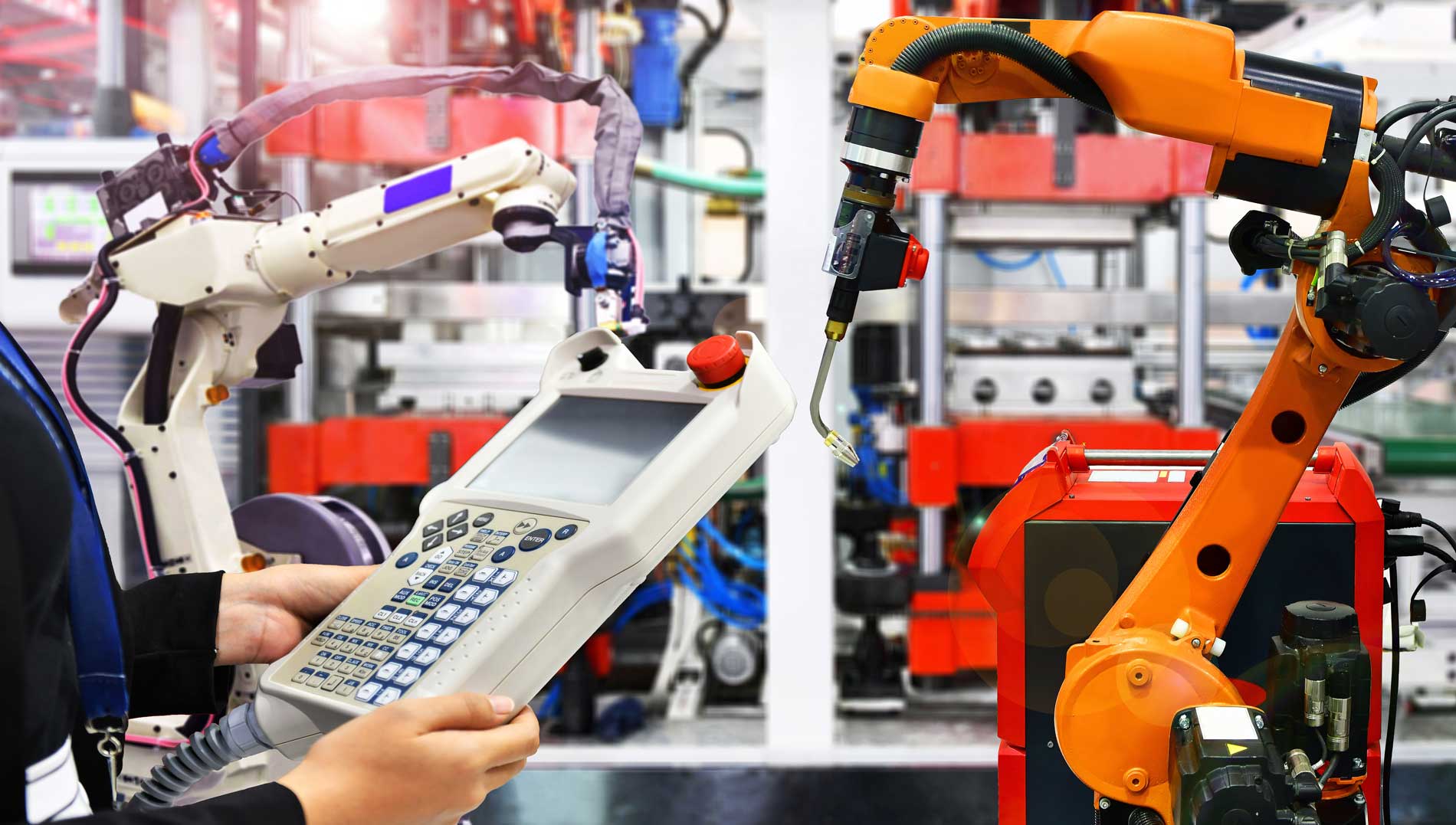
- A custom automation cell designed for a particular product line
- A large industrial assembly requiring customer-specific dimensions and configurations
In each of these examples, engineering expertise is essential—but automation can still reduce the repetitive work required to deliver the final design.
Improve Your Engineer-to-Order Process with Design Automation
Engineer-to-Order manufacturing will always require skilled engineers. The goal of design automation isn't to eliminate custom engineering, it's to eliminate repetitive engineering work.
By automating drawings, bills of materials, documentation, workflows, and other routine processes, manufacturers can increase engineering capacity, shorten project timelines, and improve consistency without sacrificing the flexibility that defines the ETO model.
Learn more about Hagerman & Company's Configure & Engineer-to-Order software services to discover how automation can help your engineering team reduce bottlenecks while continuing to deliver highly customized solutions.

Comments